
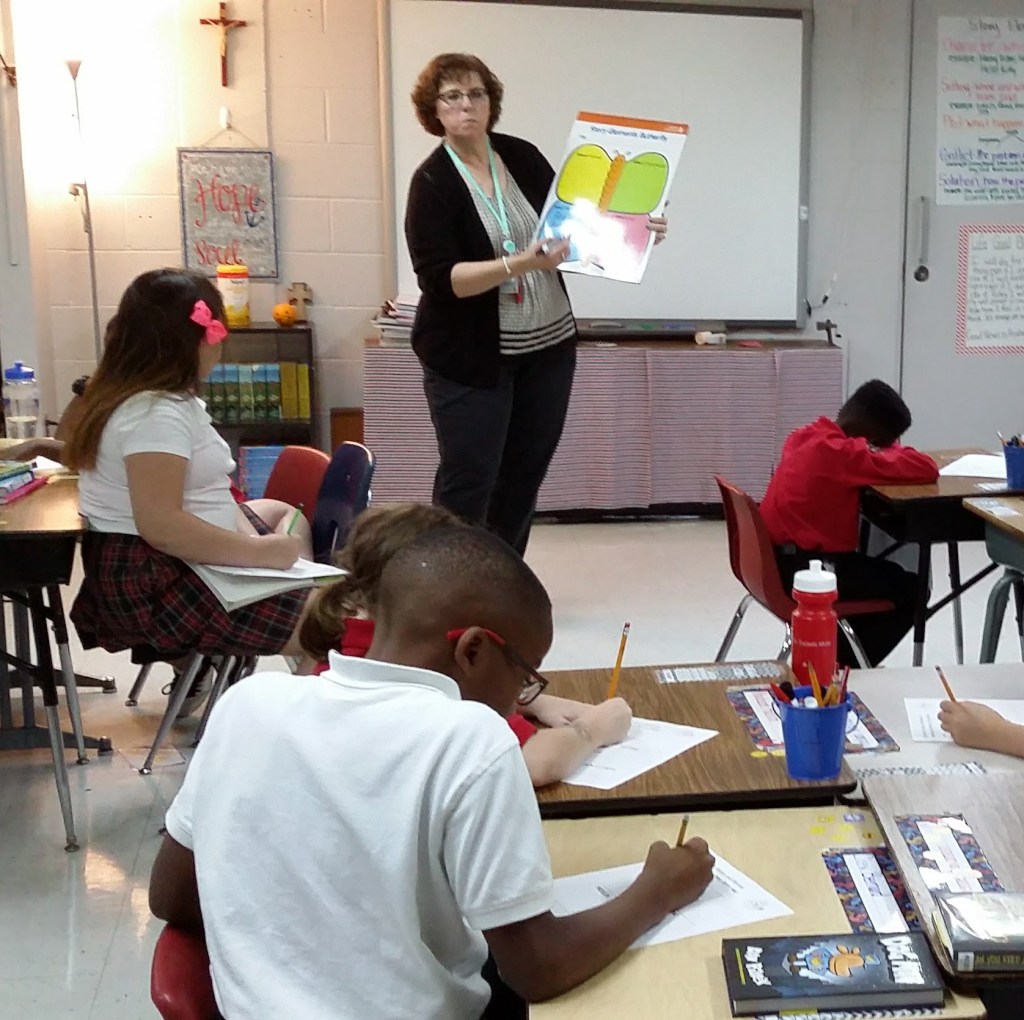
The years I spent serving in an urban school district were rich in learning about effective teaching and learning, diversity, the importance of connections, and gathering stories. After writing Annalyn Has Ten Toes, I served four more years in an elementary school. The stories of students didn’t get any easier. As a chronic warrior against depression, I knew I had to do something to combat the welling up of angst. Writing became my therapy.
During that time, Tom and I lived in a house with an enclosed back porch filled with windows overlooking a large, shady backyard. I parked my desk on the porch for a while, and sometimes watched bunnies innocently scamper about. Eventually, the bunnies emerged as the main characters, Bobby and Bonnies, living out stories from school (the hood). God was very kind to give me a gentle way to cope with what sometimes could be overwhelming sadness, and impotence in helping students.

For a while, my scholar brain insulated me against the gravity of the student stories I was capturing with researching bunnies from a very clinical point of view. In midst of my novice writer naivete, I wanted Bobby and Bonnie to be indigenous in most parts of the world. (No, that’s never mattered for anyone but me, it was just a step that helped move me forward. I have continued, no matter the genre, to use research as a way to infuse authenticity.)
For me, writing a novel with a single over-arching theme felt overwhelming and like tunnel vision . All my books, from Bobby and Bonnie forward, are typically anthologies, collections of stories. Initially, writing individual stories was also because I had limited time to write. I additionally thought writing each chapter to stand alone, and/or sometimes able to be read in the order of the reader’s discretion would make books more attractive and readable.
Bobby and Bonnie taught me a great about writing, primarily, that understanding audience is critical. Ultimately books are about readers, not authors. This was a tough concept to embrace. I learned to start each writing project by focusing more on the reader than myself . Here are a few more what/how not to write lessons from writing my first self-published book.
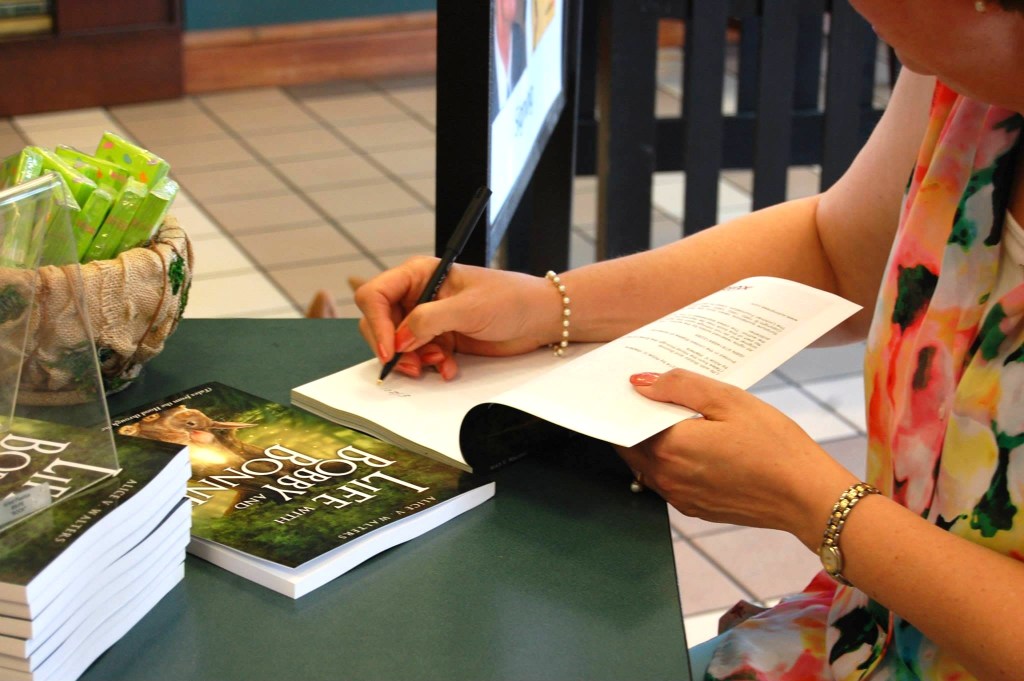
TITLE: The official title of the book is Life with Bobby and Bonnie: Tales of the Hood through the Eyes of the Wood. Quite a mouthful isn’t it? To put it kindly, nobody knew or cared who Bobby and Bonnie were. If only someone would have told me that the subtitle was a lot more engaging than the title, it may have actually sold a few copies.
FORMAT: Seriously, did I totally forget what I’d learned from leveling books for my second grade classroom library, that young readers need and enjoy images. The only ones in the book were purchased and placed only on the title pages. Consequently, I wrote a supposedly children’s book that is about as NON-user-friendly as possible.
SETUP: The bunny book was self-published with a company, expensive and not very helpful to a brand new author. I didn’t know things like that a crucial part of set-up is “Keywords,” because they determined where books are placed in bookstores. Life with Bobby and Bonnie was placed in the “Christian Living” category, all the way across from the children’s section in Barnes and Noble.
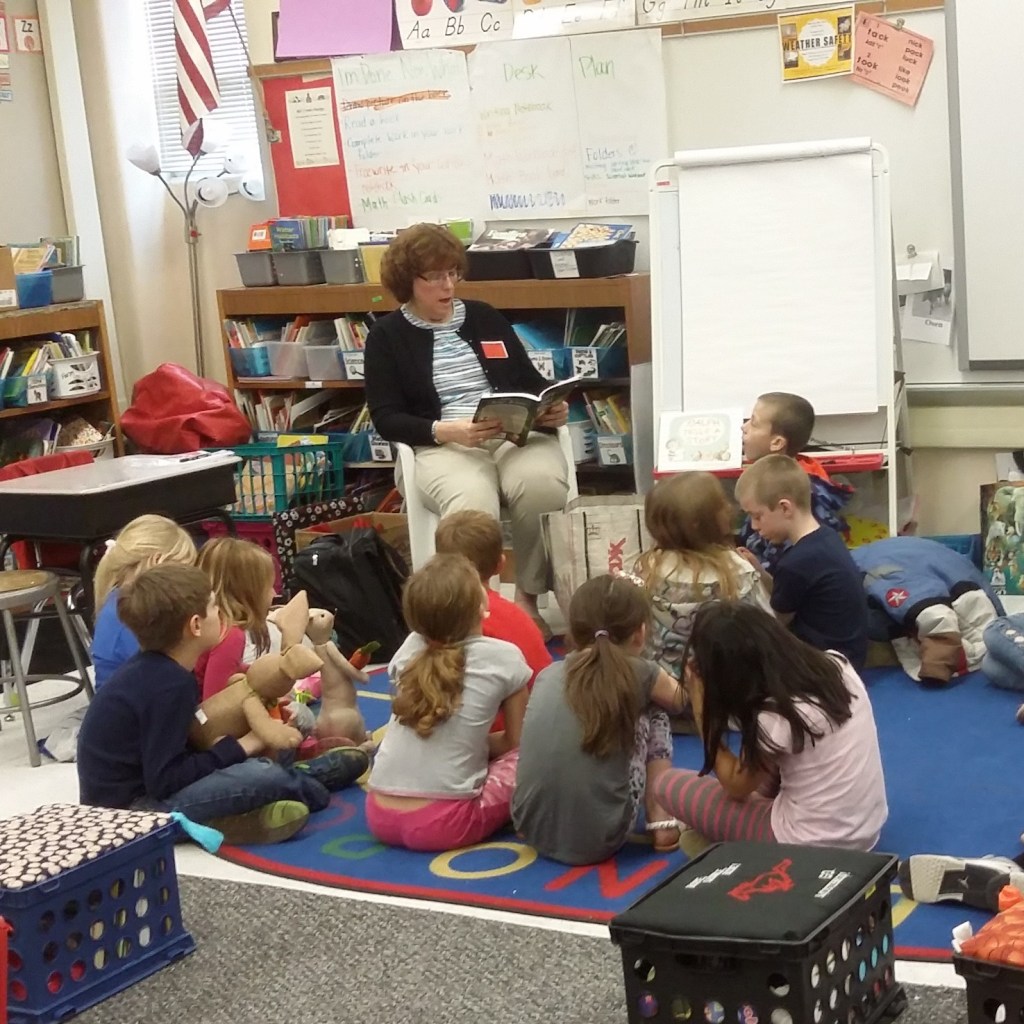
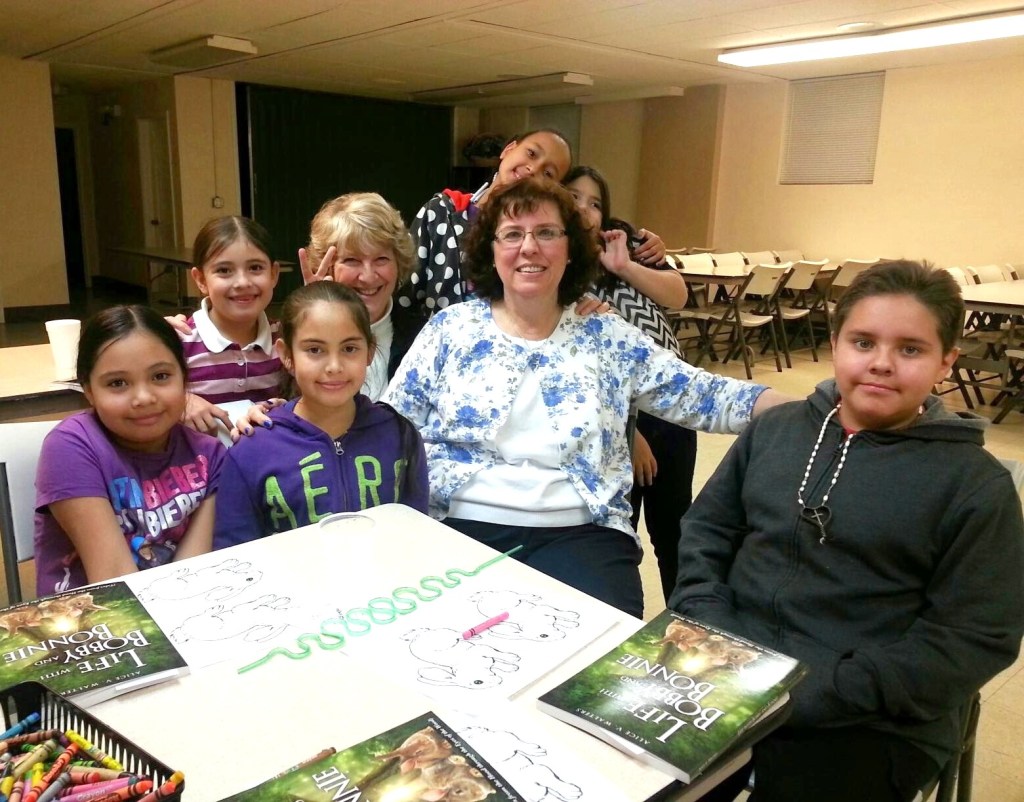
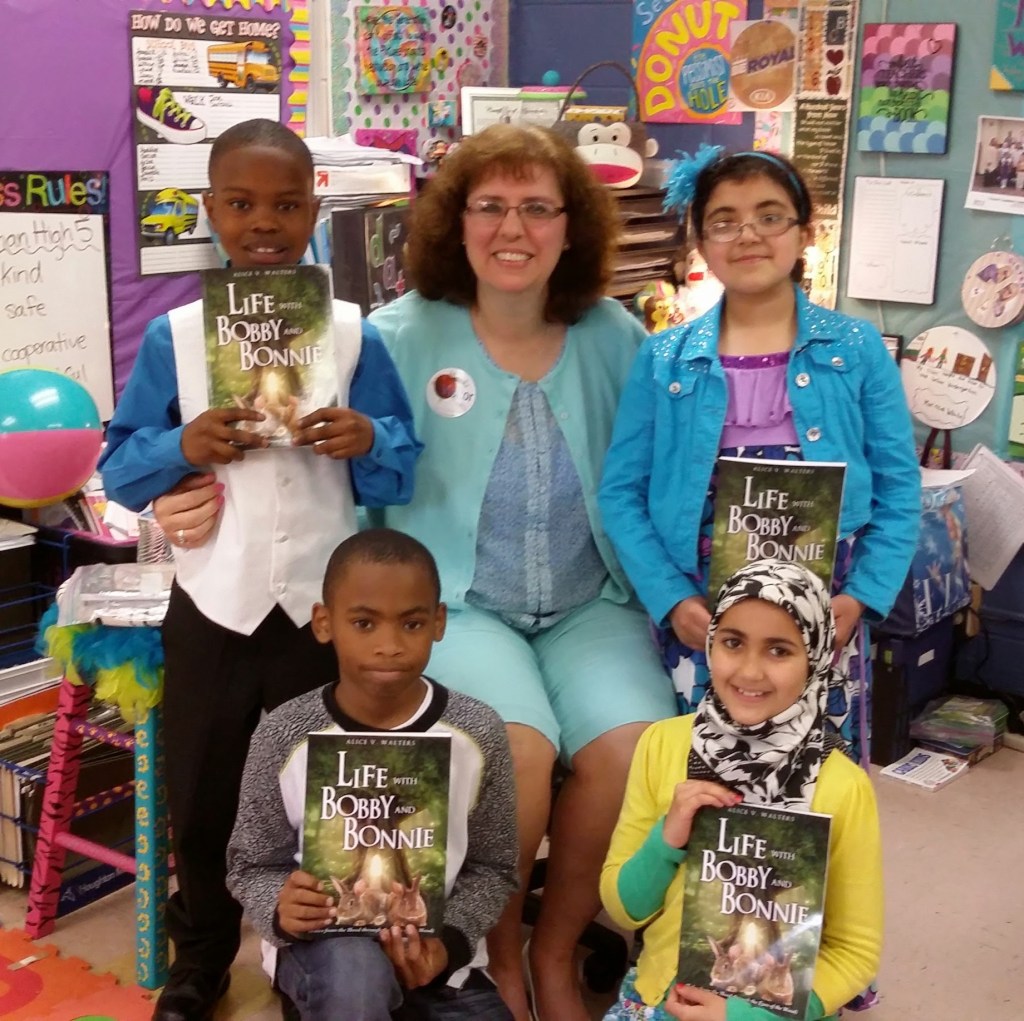
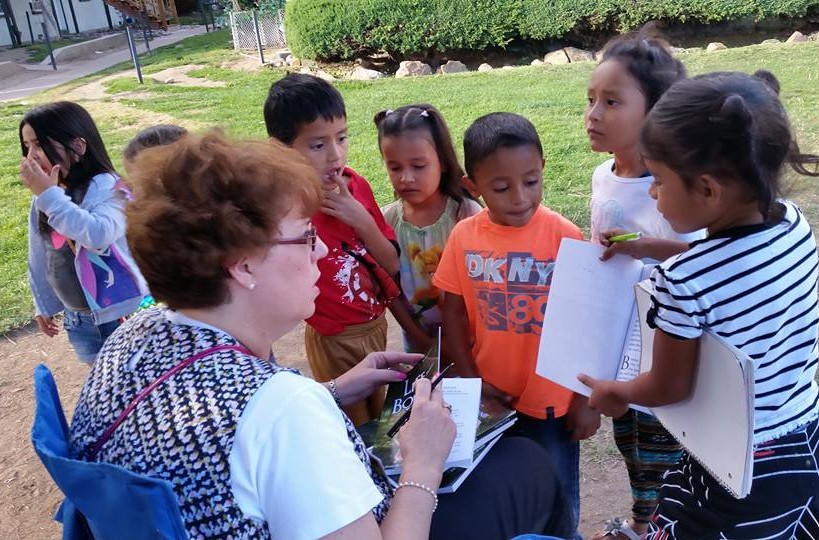
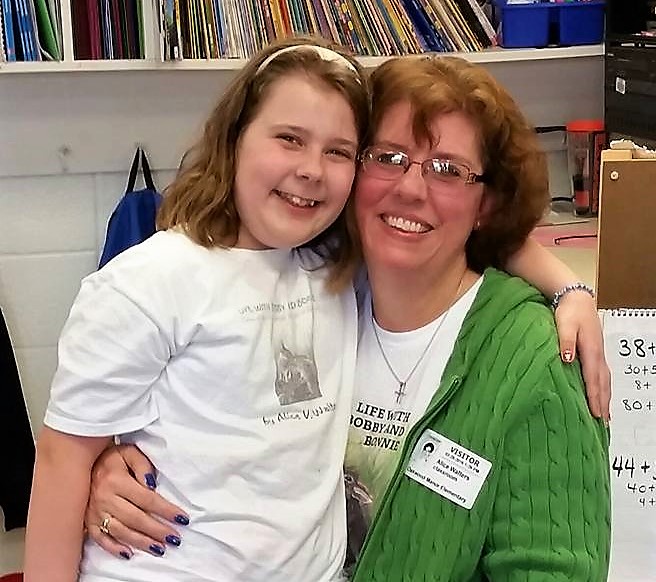
When I reflect on Bobby and Bonnie’s book, it’s almost a “what not to do” as a first-time published author. The upside of writing my first published book was going into a variety of low income settings to read stories and give kids their own books. For some of them, it was the first book that belonged to them. The beautiful smiles and joy in their faces were worth far more than book sales at a register.


Leave a Reply